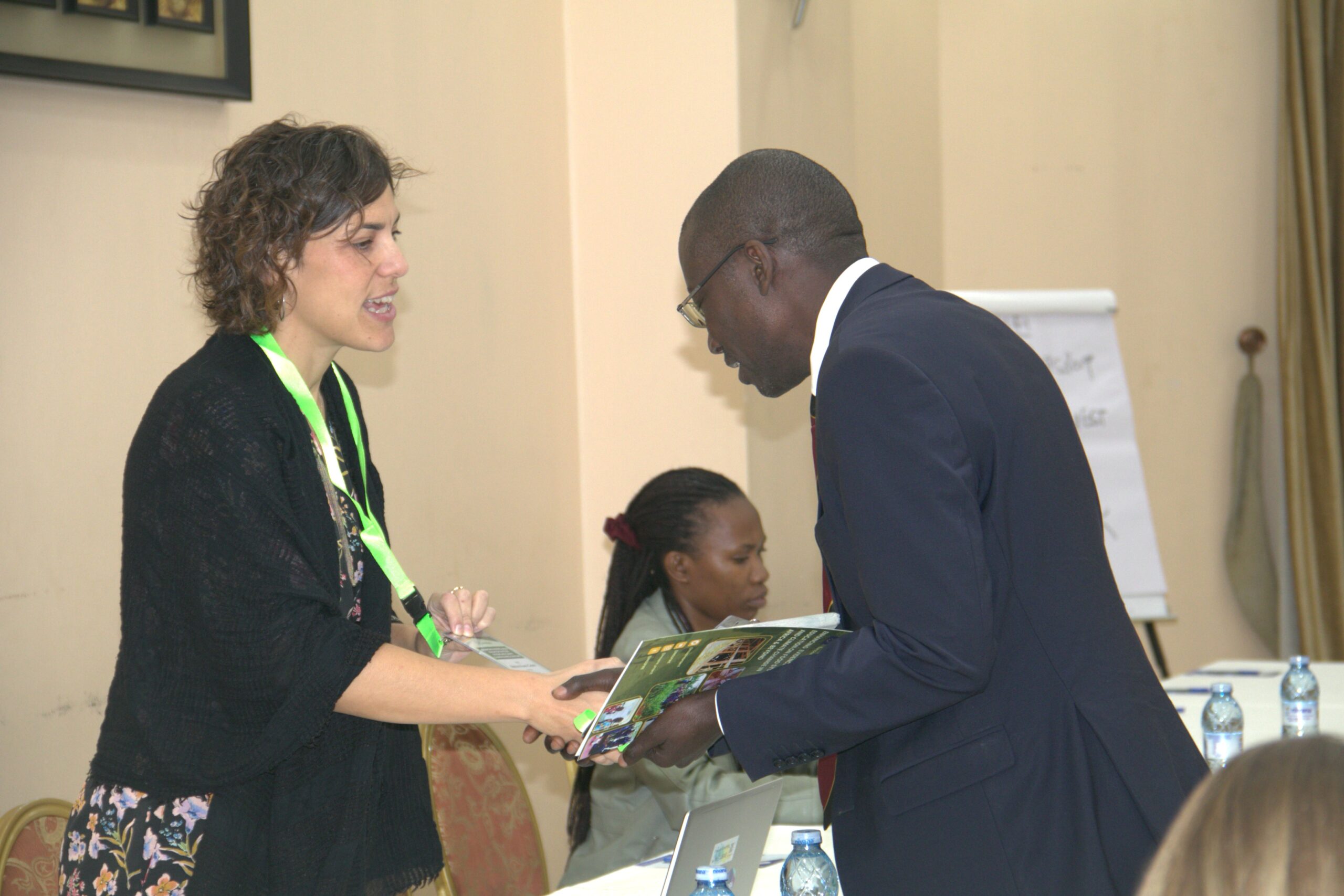
Connecting Classrooms Across Borders: A COIL Conversation with Marina Vives Cabré (URV, Spain)
Collaborative Online International Learning (COIL) has been at the heart of INSSPIRE’s efforts to strengthen meaningful international collaboration beyond physical mobility. In this interview, Marina Vives Cabré from Universitat Rovira i Virgili (URV), a COIL expert and coordinator within the project, reflects on three years of implementation, shared learning across cultures, and the lasting impact of COIL on students, faculty, and institutions across Europe and East Africa.
Looking back at the three years of INSSPIRE, what did you hope COIL would achieve when the project started, and how has that vision evolved?
As a strong advocate of COIL and its potential—when well implemented—to foster learning through care and mutual respect, from both student and faculty perspectives, I have always believed that once people understand how COIL works, they will embrace it. For this reason, I was very excited about the opportunity INSSPIRE offered, both to the consortium and to me as a coordinator, to strengthen inter-institutional exchanges and partnerships beyond traditional mobility opportunities.
Are there particular outcomes—educational, institutional, or personal—that stand out to you?
I may be biased because of my professional and personal interests, but one of the most lasting impressions for me was discovering the great sense of humor of our East African partners. The friendly jokes between colleagues from Uganda and Kenya, combined with laughter, hard work, and strong commitment, made every INSSPIRE meeting truly memorable and unforgettable.
Was there a moment during the project when you felt especially proud or impressed by how COIL was adopted or implemented? (A class, collaboration, or reaction that made you think: “this is really working.”)
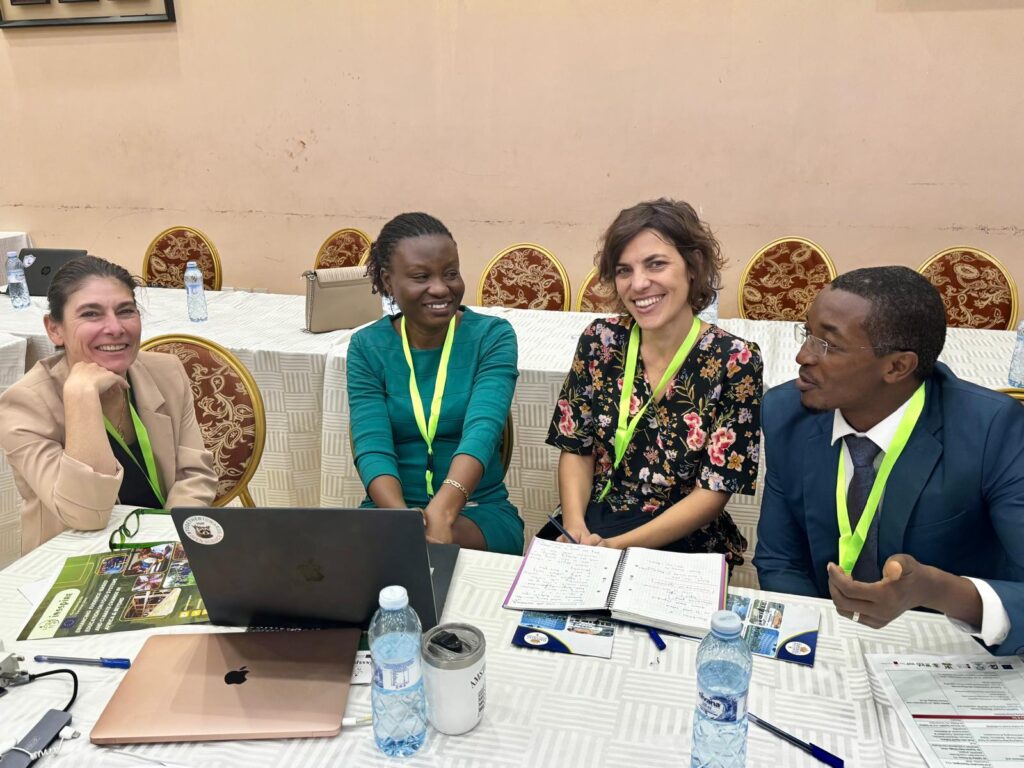
The COIL task force had been meeting virtually on a monthly basis for some time before the on-site Training of Trainers (ToT) took place. This allowed us to use the training not only to learn how to become COIL trainers, but also to share where each team stood, including their progress and key learnings. I was particularly impressed by how some groups had overcome challenges along the way. At the same time, I appreciated how partners adapted COIL implementation to their own needs and contexts—something reflected in the fact that many continue to implement COIL this year, demonstrating its sustainability as a methodology.
Several African universities embraced COIL during the project. Could you share a brief example of the impact or unique contribution from each institution?
I believe all institutions demonstrated strong progress and successful implementation. Southeastern Kenya University (SEKU, Kenya), for example, carried out two COIL projects—one with Makerere University (MUK, Uganda) and the University d’Abomey Calavi (UAC, Benin), and another with URV. Despite political instability, strikes, and connectivity challenges, both projects were successfully implemented. SEKU is now conducting in-house trainings to expand the number of faculty capable of integrating COIL into their courses.
Mbarara University of Science and Technology (MUST, Uganda) and Maseno University (MSU, Kenya) both engaged in bilingual collaborations with UAC, developing innovative approaches to communication across languages. In addition, MSU combined COIL with RLLL, bringing community voices into the process and enriching the collaboration beyond the classroom.
MUK, in turn, hosted the Training of Trainers and involved several COIL practitioners in the workshop, fostering strong commitment and supporting sustained implementation.
From your perspective, how has COIL changed the learning experience for students involved in INSSPIRE?
As is often the case, COIL helped students think beyond the box—not only in terms of learning outcomes and objectives, but more importantly in how they view the world. COIL projects are typically designed as challenge-based initiatives that address real-life problems through collaboration with peers from another university and country. This strong connection to real-world issues and diverse cultures creates a first-level impact experience, as confirmed by MUK students who attended the INSSPIRE final conference. COIL encouraged them to move beyond their usual boundaries and comfort zones.
What has surprised you most about working with COIL across such diverse institutional and cultural settings?
You always learn something from your partners. One experience that particularly struck me—despite having read about it and even explained it in many trainings—was witnessing firsthand how differently cultures approach decision-making, perceive time, understand institutional hierarchies, and communicate. These lived experiences reinforced the importance of cultural awareness, which we deliberately addressed by including guidance on working with diversity in our COIL manual.
As INSSPIRE comes to an end, how do you see the future of COIL at the partner universities?
I truly hope COIL continues to grow across all partner institutions. Through the project, we carefully analyzed institutional needs and diverse contexts, identified suitable courses for COIL implementation, brought together many academics through the Training of Trainers, and successfully implemented COIL projects at all member universities. Importantly, each institution has already gone on to train additional faculty beyond the initial ToT participants. We have the talent, and I believe the need is clearly there. I envision a strong future for this consortium and its potential, including expanded COIL and virtual exchange opportunities.