INSSPIRE Final Stakeholder Conference Celebrates Three Years of Transformative Collaboration
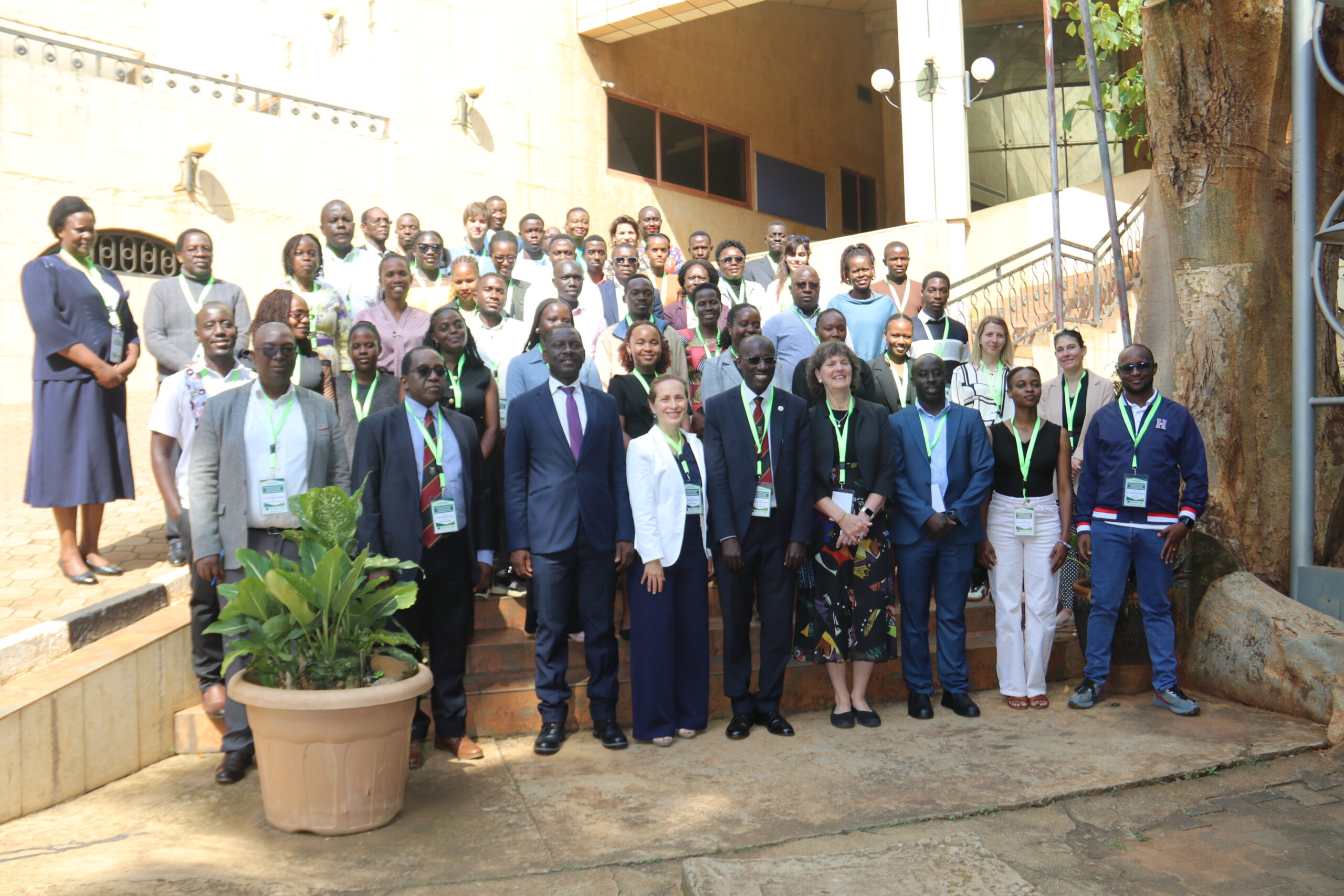
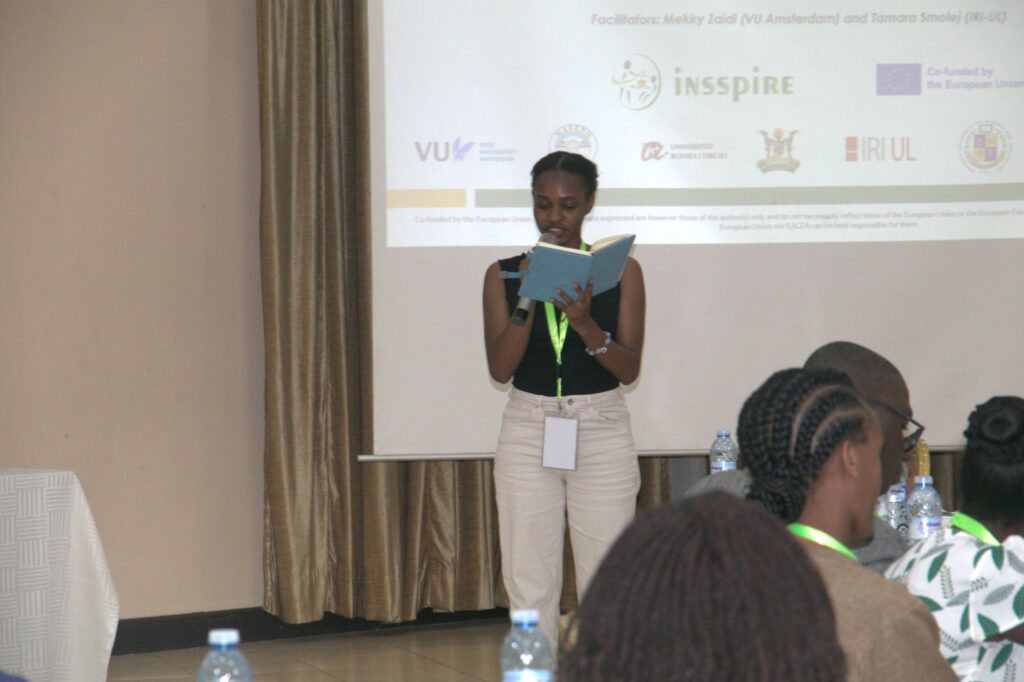
The INSSPIRE project marked a significant milestone on 18 November 2025, gathering partners, stakeholders, students, community organisations, and international collaborators at the Imperial Royale Hotel in Kampala for a dynamic and inspiring Final Stakeholder Conference.
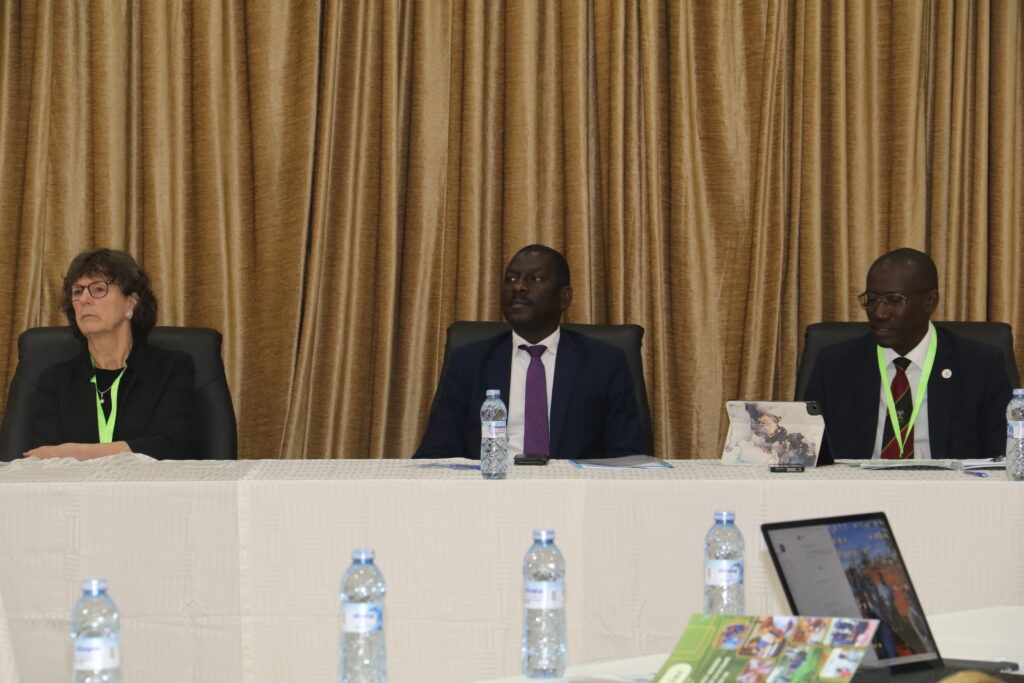
The event was officially opened by Prof Frank Mwine, Principal of the College of Veterinary Medicine, Animal Resources and Bio-Security (COVAB), and Prof Prof. Kikooma Julius, representing the host institution and underlining Makerere’s strong commitment to advancing climate-resilient food systems and transformative education.
The day opened with warm welcomes and an energising introduction that set the tone for an interactive and highly participatory conference. Rather than adopting a traditional, lecture-driven format, the INSSPIRE team deliberately designed the event as a collaborative, engaging, and forward-looking space. As one facilitator emphasized, the goal was to “flip around the entire concept of a final conference,” transforming participants from passive listeners into active agents of change.
Insightful Reflections on Global and Local Realities
The keynote address, “Exploring New Frontiers in Food Systems and Climate Change: Resilience, Global Political Shifts, and Emerging AI Innovations,” was delivered by Prof John David Kabasa, Dean of the Faculty of Veterinary Medicine at Makerere University and Chair of the International Network on Animal and Biomedical Sciences for Africa. Prof Kabasa offered a stimulating overview of historical and contemporary crises in African food systems, linking pre-colonial resilience, colonial disruptions, disease outbreaks and biodiversity loss to today’s climate and geopolitical challenges, while calling for innovative, systemic responses and smarter use of technology. The subsequent session connected these global trends directly to INSSPIRE’s work, highlighting the importance of grounding educational innovation in real-world developments.
Showcasing Achievements Across INSSPIRE’s Three Pillars
During the morning working groups, INSSPIRE partners and external stakeholders jointly reflected on progress across the project’s three core objectives, highlighting how universities have strengthened intra-university capacity through enriched, climate- and food-systems–relevant curricula and more competent, future-ready graduates; how Real Life Learning Labs have deepened university–community collaboration by engaging over 500 community members in co-creating practical solutions for livestock, soil health, and sustainable production; and how a vibrant inter-university Community of Practice now connects 19 universities across Africa and Europe through shared curricula, COIL-based online collaboration, and growing opportunities for joint research and innovation.
Interactive Exhibition and Joint Assessment
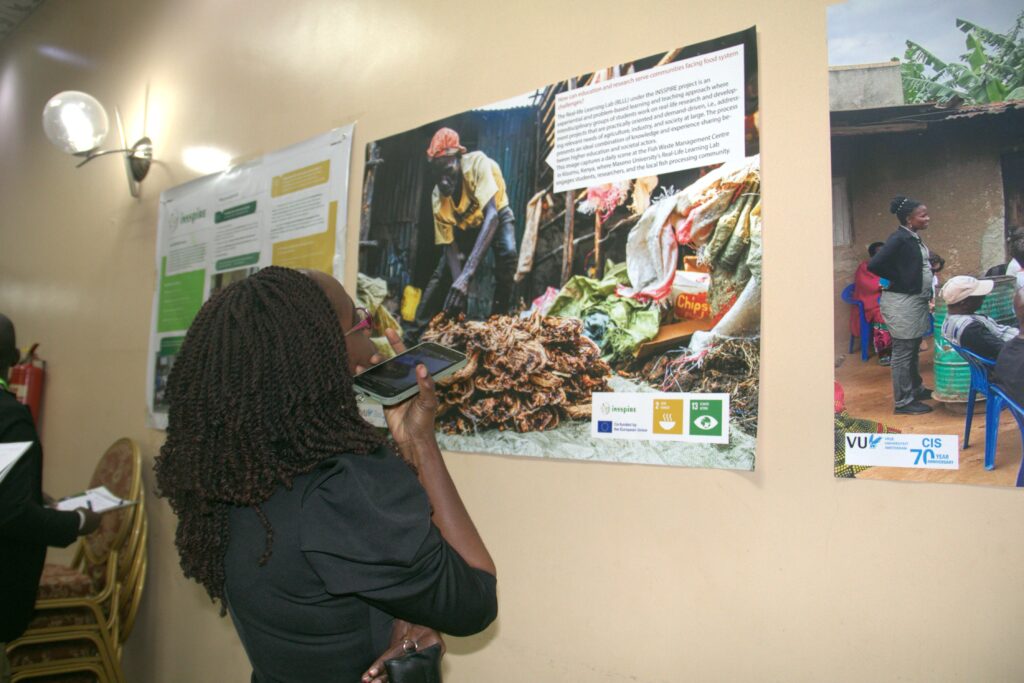
In the afternoon, participants engaged in an interactive exhibition where universities showcased methodologies, learning materials, community engagement models, and student-led innovations. The walk-and-talk format encouraged cross-institutional dialogue and knowledge exchange. A subsequent joint assessment session brought together project achievements and stakeholder expectations, identifying strong alignment as well as opportunities to sustain and scale impact beyond the funding period.
Looking Beyond INSSPIRE
The conference concluded with a forward-looking roundtable on “What’s next?”, facilitated by Makerere and INSSPIRE leadership. Participants emphasised the importance of maintaining the partnerships nurtured through the project, keeping Real Life Learning Labs active, and continuing to embed interdisciplinary and community-driven approaches in university education. Stakeholders from grassroots organisations, such as The Hunger Project and other local actors, reinforced the need to connect food systems with water, energy, nutrition, and environmental governance for long-lasting impact.