RLLL in Education: A Living Laboratory for Learning – Highlights from Kisumu 2025
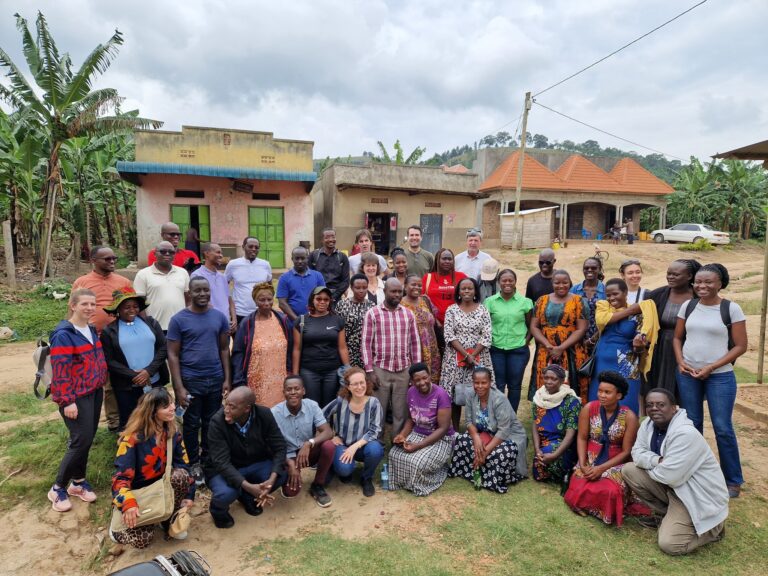
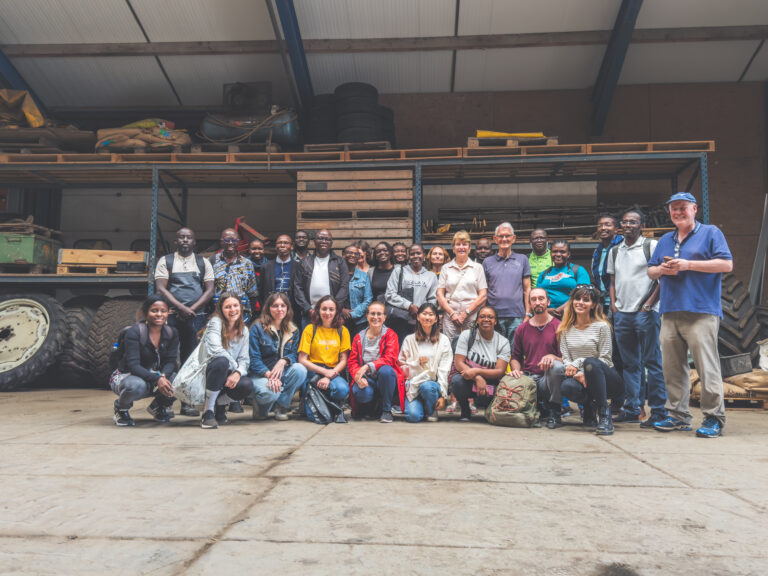
Kisumu, Kenya, became a hub of energy, ideas, and collaboration as partners from across Africa and Europe gathered from June 21 to 26, 2025, for the Real-Life Learning Labs (RLLL) in Education Seminar, hosted by Maseno University (MSU) under the umbrella of the INSSPIRE-SSTC network. Representatives from the partner institutions, came together to reflect, refine, and reimagine the role of real-life learning in higher education. The seminar served as a reflection of over two year’s worth of curriculum enrichment efforts, which included RLLL, COIL (Collaborative Online International Learning) and gamification.
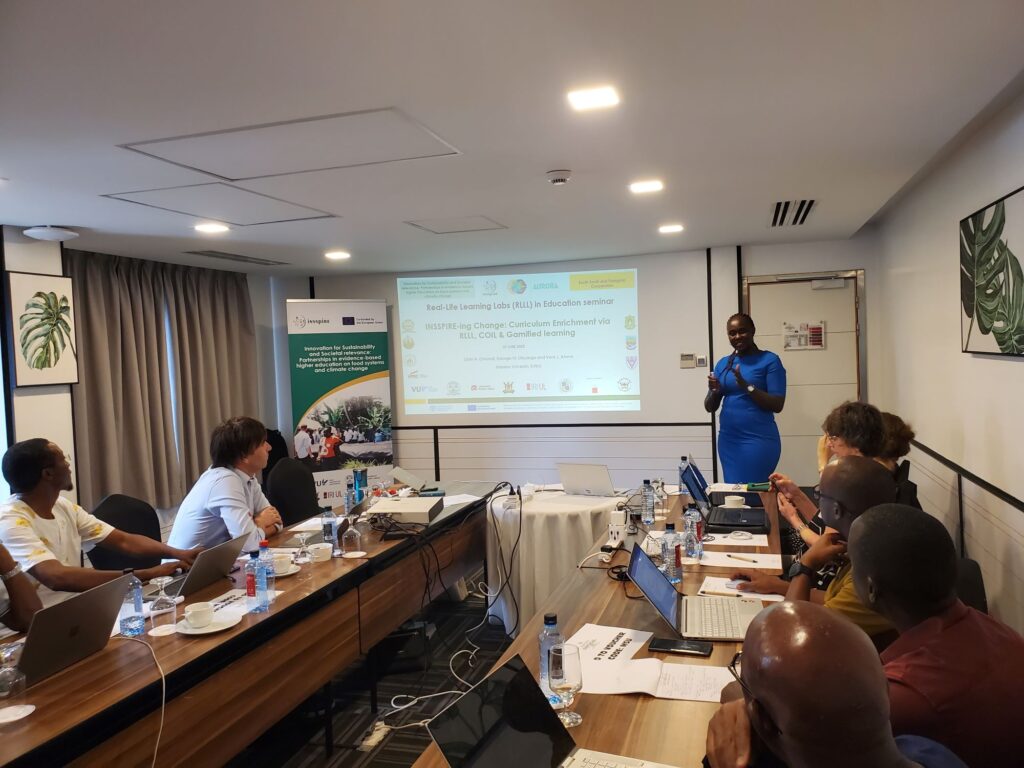
Throughout the week, each participating university shared its experiences implementing enriched teaching strategies, highlighting both successes and persistent challenges. These candid exchanges facilitated rich dialogue on issues such as curriculum integration, faculty capacity, student engagement, and the use of digital tools in learning. A key focus was the co-development of academic outputs, including a joint paper on evidence-based education in food systems and climate change (FSCC), as well as working papers to inform policy and pedagogy. The external evaluation presentation, where evaluators Sheona Shackleton and Sioux McKenna shared preliminary findings and recommendations, provided a critical space for feedback, highlighting strengths in experiential and collaborative learning, while also noting areas requiring improved coordination, measurement, and institutional support. The Q&A session that followed allowed participants to clarify recommendations and align them with ongoing project deliverables and impact goals.
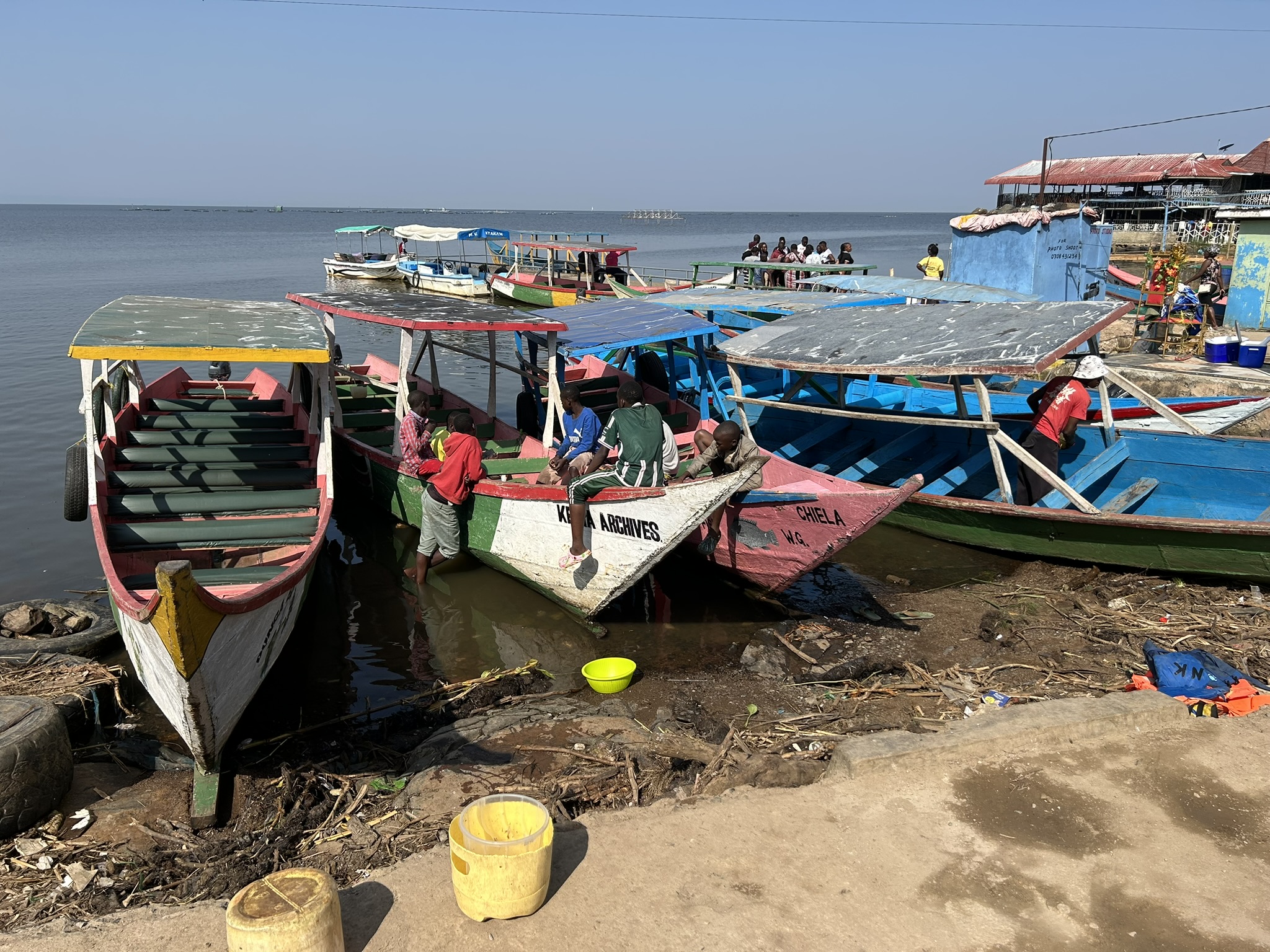
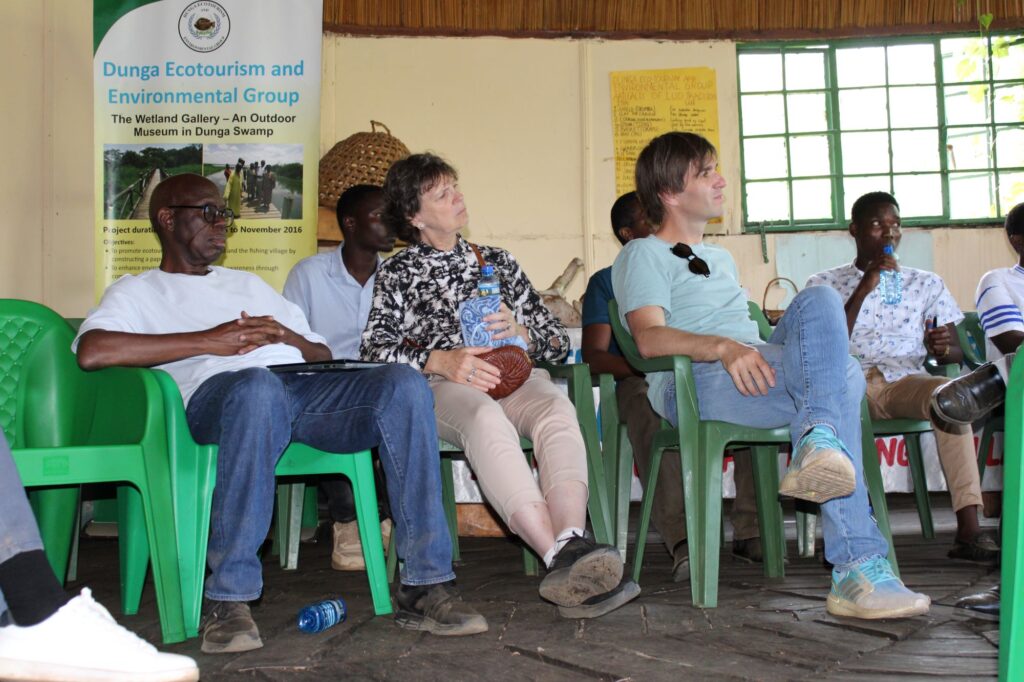
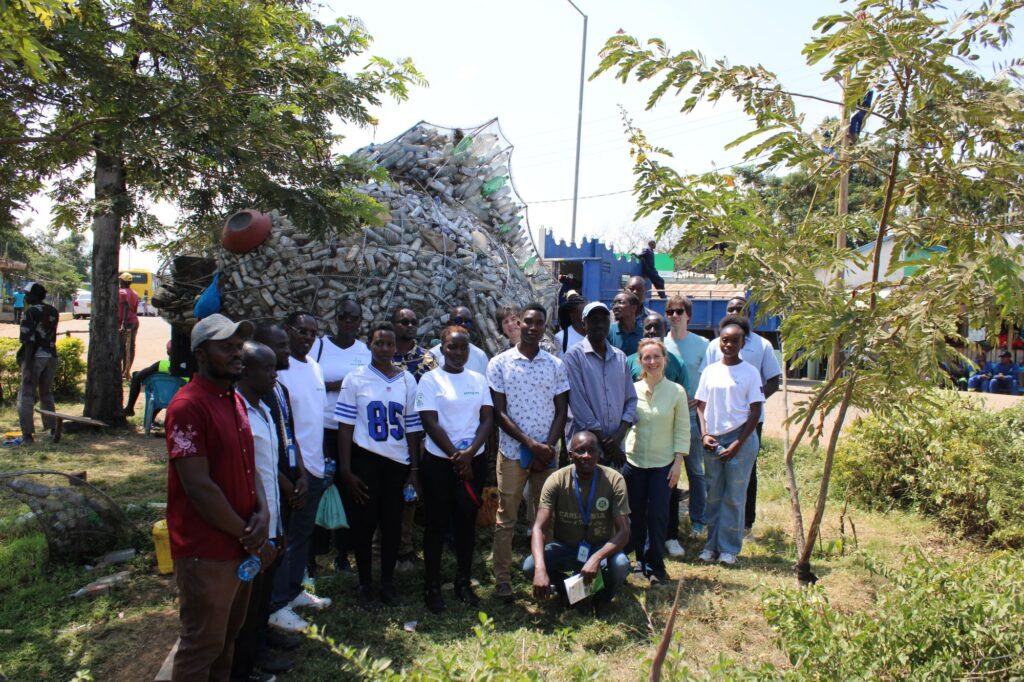
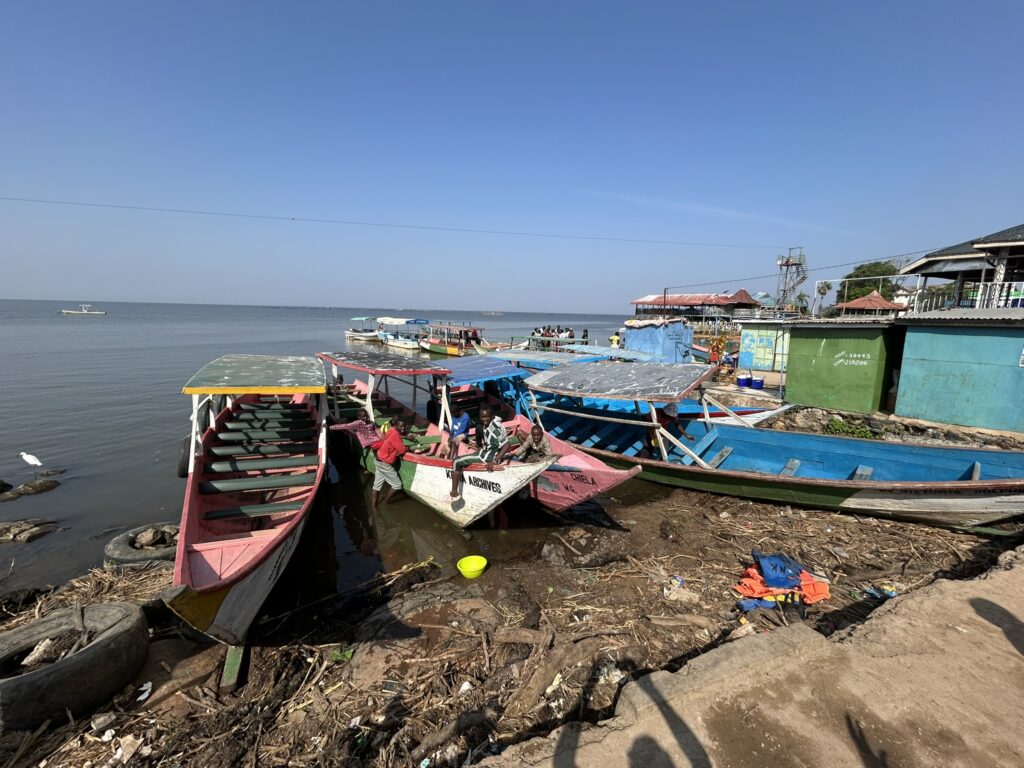
One of the most memorable and transformative parts of the seminar was the field visit to the Dunga community, on the shores of Lake Victoria, where MSU has been implementing its Real-Life Learning Lab. Participants were not passive observers. Instead, they were guided through a transect walk across the local area, a method which students used during their fieldwork to map out socio-environmental features, community activities, and resource use. Walking the path that students walked, participants were immersed in the lived realities of community members, gaining insights into the local context, challenges, and opportunities that shape the RLLL experience. This embodied engagement sparked deeper conversations around local knowledge systems, the value of co-creation with communities, and the need for university learning to remain rooted in place and purpose. It was a moment that turned theory into texture, not just discussing community-based education but standing in it, walking through it, and listening to its pulse. This immersive experience deepened appreciation of how RLLL operates in real-world settings and sparked rich, grounded discussions during the multi-stakeholder reflection session that followed.
The interactive spirit of the seminar extended to working sessions where participants drafted content, refined frameworks for monitoring learning impact, and brainstormed strategies for sustainability. Sessions on stakeholder engagement, intercultural collaboration and institutionalisation offered concrete pathways for taking RLLL beyond pilot programs and into policy and practice. As the week concluded, the seminar had succeeded in blending field-based reflection, academic co-production, and strategic foresight, affirming the central role of Real-Life Learning in transforming how universities engage with their students, their communities, and the broader development agenda.