COIL as a Catalyst for Intercultural Learning and Sustainable Development
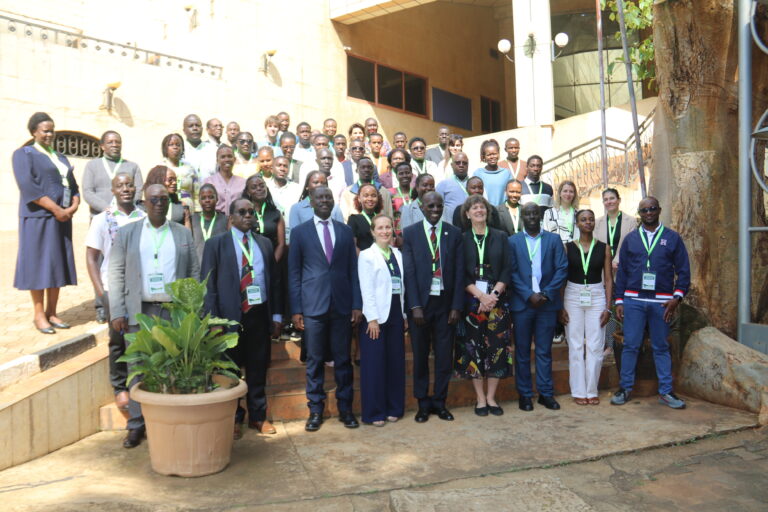
In the 2023 to 2025 period, the South Eastern Kenya University has been implementing Collaborative Online International Learning (COIL) activities with the support of the INSSPIRE project. Using internet-based tools and innovative online pedagogies, the teaching, learning and researching approach has provided academics and students with the ability to communicate and collaborate with peers internationally through online platforms, fostering meaningful exchanges between academics and students. Two enriched courses of Nutritional Anthropology and Climate Change and Adaptations and Sustainable Development respectively, collaborated with students from the URV and Makerere Universities.
Crucial barriers of student experiences included technological challenges, language, and partner dynamics. Strategic enablers were structured course outlines, students’ openness to COIL and increased academic self-efficacy. Given the far-reaching positives associated with the inclusion of COIL in modules, there is scope to overcome challenges identified while drawing from the enablers to feed towards greater inclusion and effort towards boosting internationalisation at home initiatives. Challenges associated with the inclusion of a COIL component must be identified and addressed, whilst enablers are incorporated for seamless inclusion in future course development. Facilitators anticipated some of the challenges and prepared accordingly to assist students with barriers by providing digital literacy skills support, contacted with student partners with low participation rates and provided briefings to circumvent challenges.
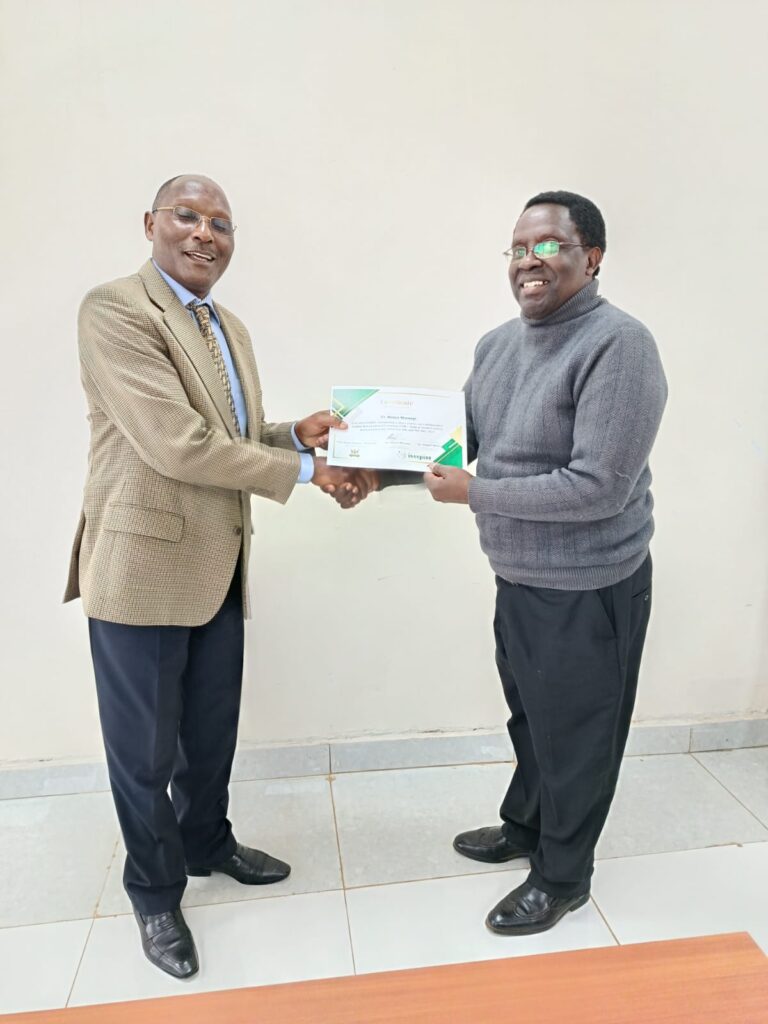
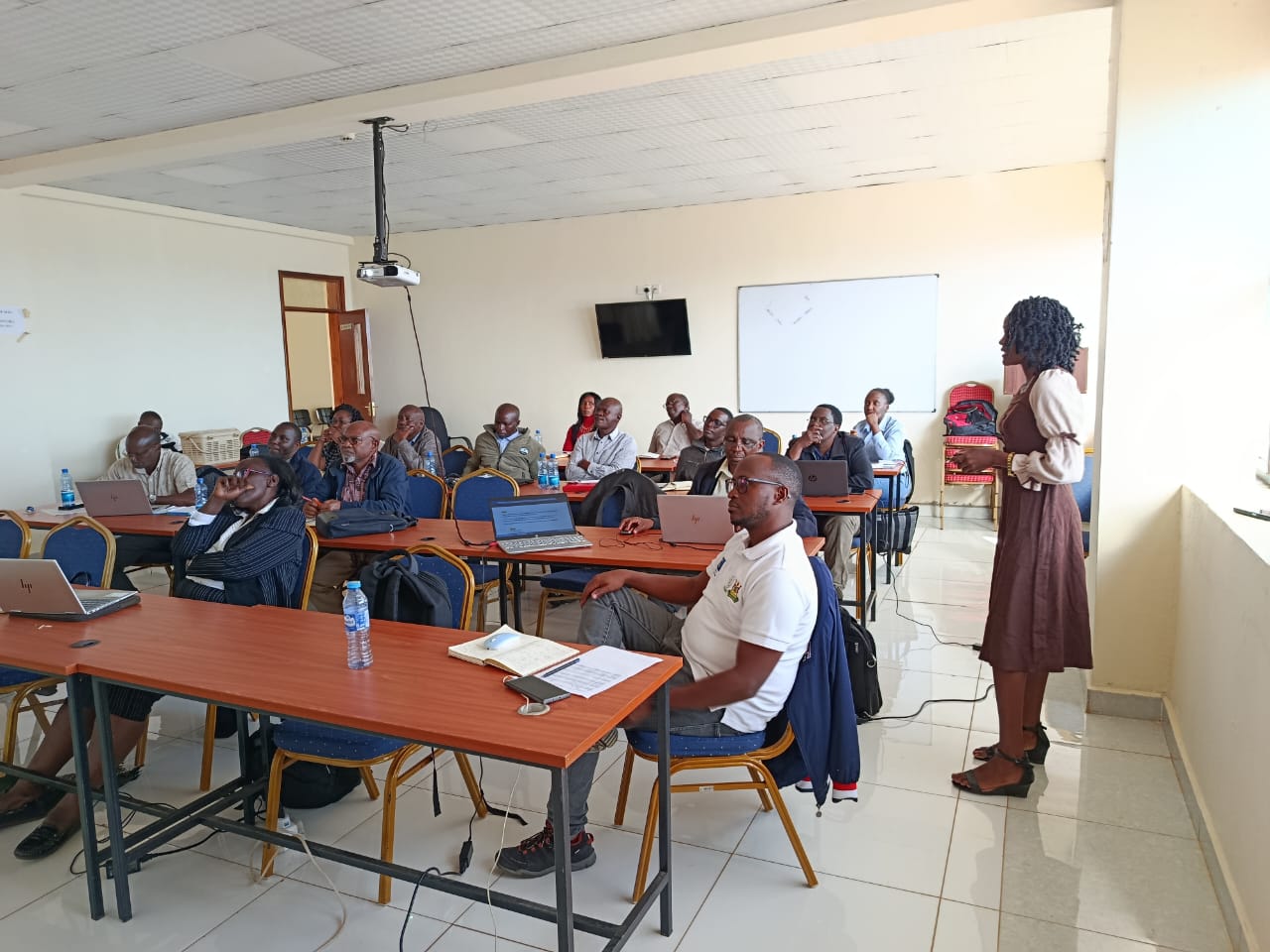
The major lesson learnt from the COIL interventions is that using it to boost exchange is a sustainable, cost-effective online pedagogy. While connecting classes from different parts of the world is didactically and administratively ambitious, COIL provides additional learning experiences where students can interact, collaborate, and take ownership of their learning, extending opportunities for intercultural and transnational learning. The advantages are pronounced through the increasing need for inclusion of international, intercultural and global dimensions in university curricula, in which the global classroom brings new and potential opportunities among culturally diverse students. Within the COIL context, students were free to explore and create knowledge outside the confines of a memorised answer. SEKU’s Strategic Plan (Goal Five) SEKU calls for the promotion of partnerships and enhancing resource mobilisation. Within the context of internationalisation, global competencies are quintessential as students obtain the capacity to examine local, global and intercultural issues, to understand and appreciate the perspectives and world views of others, to engage in open, appropriate and effective interactions with people from different cultures, and to act for collective well-being and sustainable development. To enhance the COIL space, SEKU has effectively conducted need-based COIL trainings to 40 staff and students to serve as frontline staff in positioning the institution for a globalised education system.